
Sommaire
1. Quelles sont les contraintes spécifiques aux espaces de production ?
2. Quelles solutions ergonomiques dans les espaces de production ?
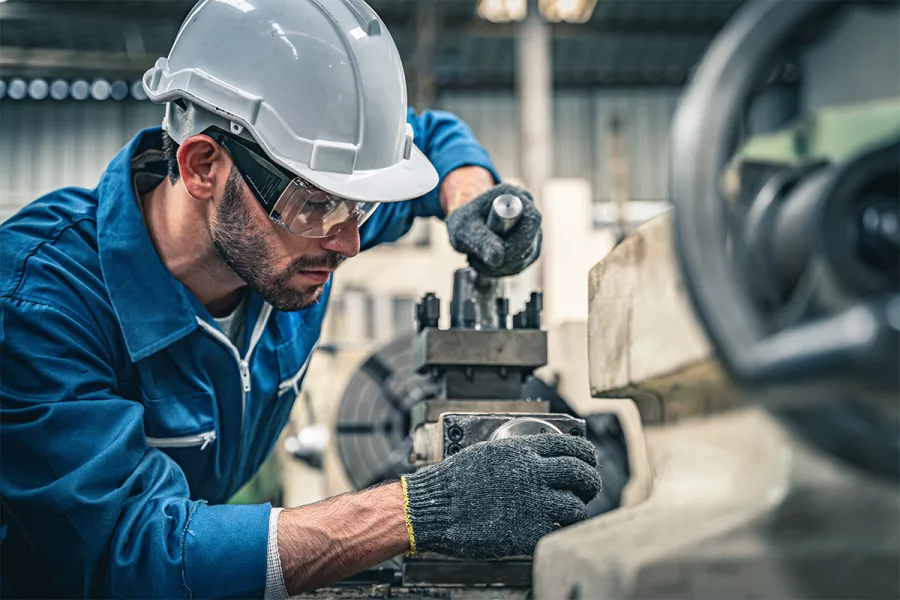
Améliorer l’ergonomie des postes dans les milieux industriels de production ou de confection n’est pas chose aisée….
En effet, ces espaces sont d’une part source de nombreuses contraintes, environnementales et posturales, et d’autre part très différents les uns des autres, si bien que chaque situation doit donner lieu à une réponse individualisée.
« Le secteur industriel et de production a été historiquement le berceau de l’étude de la relation entre le facteur humain et le facteur travail, et des prémices de l’ergonomie. »
Au sein du milieu industriel lui-même, on observe une grande variété de domaines (agroalimentaire, pharmaceutique, automobile…), de métiers (usinage de pièce, conditionnement, maintenance, production… sur un poste ou en ligne de production) et d’environnements (froids, encombrés, bruyants…).
Chaque situation de travail engendre des contraintes spécifiques au niveau sanitaire et postural, auxquelles plusieurs solutions techniques peuvent répondre, comme les sièges multi-positions ou les revêtements spécialisés.
Quelles sont les contraintes spécifiques aux espaces de production ?
On peut relever 2 catégories de contraintes rencontrées par les professionnels des espaces de production :
1. Les contraintes liées à l’environnement :
- Hygiène stricte
- Propreté extrême (salles blanches ou aseptisées)
- Chaleur
- Froid
- Milieux huileux
- Risques de projections, salissures
- Sol inégal, encombrement
- Bruit
- …
2. Les contraintes liées aux tâches effectuées :
- Travail en hauteur ou très bas
- Port de charge
- Station debout prolongée
- Mouvements répétitifs
- Besoin d’amplitude et de mobilité
- Utilisation de machines
- …
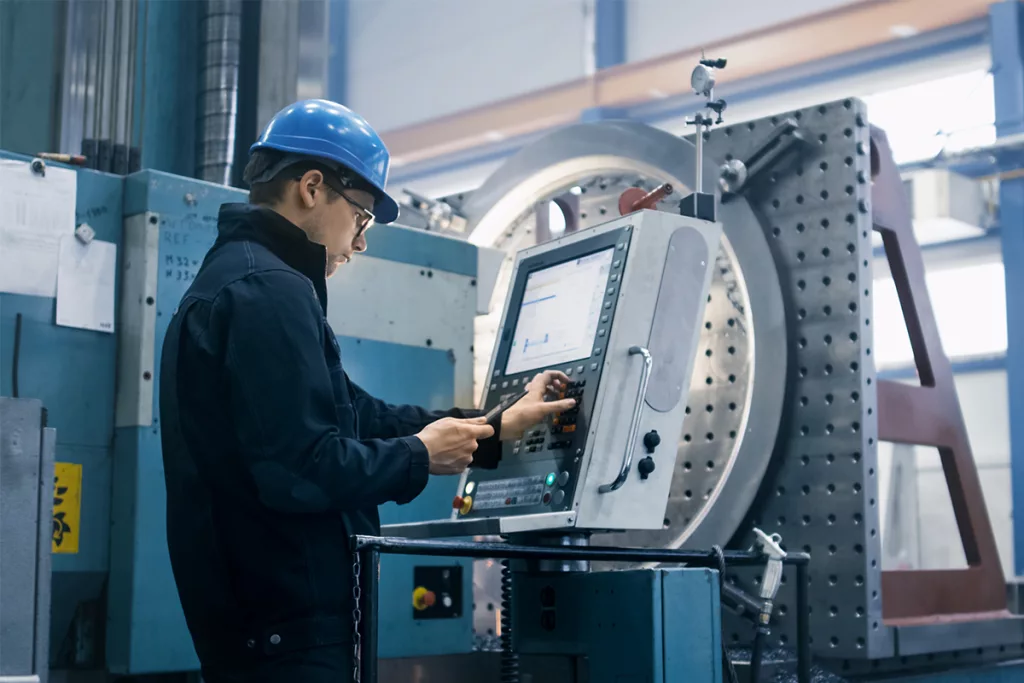
Face à ces contraintes, le corps s’adapte et les professionnels sont forcés d’adopter des postures douloureuses, d’autant plus que les machines de production ne sont pas modifiables et adaptables aussi facilement que le bureau d’un poste tertiaire par exemple. Les postures inconfortables peuvent être évitées grâce à l’installation de matériel ergonomique. Quand il s’agit de postes partagés, ce matériel doit s’adapter à plusieurs morphologies et usages (nombre de réglages, amplitudes, personnalisation) et être facilement réglable.
Quelles solutions ergonomiques dans les espaces de production ?
On peut identifier 3 types de solutions techniques pour répondre aux contraintes des espaces de production :
- Les solutions en lien avec la posture
- Les moyens de manutention
- Les Équipements de Protection Individuelle (EPI)
Nous présentons ici uniquement les solutions permettant de limiter les contraintes biomécaniques et améliorer la posture du professionnel. Elles viennent bien sûr en complément d’une vraie démarche ergonomique et de prévention (qui intégrera des aspects d’organisation du travail, de management, etc.).
Les solutions ergonomiques positionnent les opérateurs dans des postures visant à la fois à prévenir les douleurs et les risques de TMS, mais aussi à garantir un meilleur confort de travail et une meilleure productivité.
Plans de travail à hauteur variable
L’installation de stations et plans de travail à hauteur variable favorise le bon positionnement de l’opérateur, soulage les tensions sur le corps et permet d’alterner les positions assis, debout ou assis-debout lors de la réalisation des tâches comme le contrôle de pièces par exemple. Sur poste multi-opérateurs, le plan de travail s’adapte à la hauteur de plusieurs utilisateurs à la morphologie différente.
Fauteuils ergonomiques
Par leurs multiples caractéristiques (assise selle, mécanique, revêtement, taille de la base, présence d’accoudoirs, robustesse, etc.), les fauteuils ergonomiques peuvent répondre à plusieurs problématiques dans les environnements industriels.
Améliorer la posture
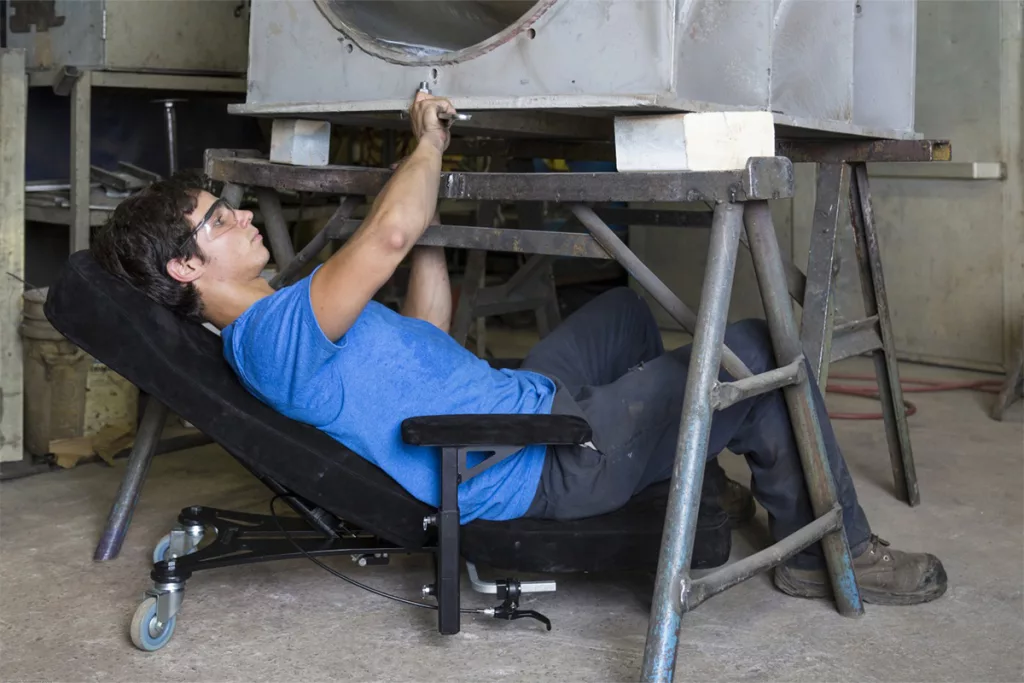
Par exemple, pour un technicien de maintenance intervenant sur des machines dans des postures délicates, comme allongé sur le dos à proximité du sol et les bras en l’air, on pourra proposer un de nos sièges ergonomiques multi-positions. Ils permettent de se déplacer sans avoir à se relever tout en maintenant le dos jusqu’aux cervicales et en soulageant les articulations.
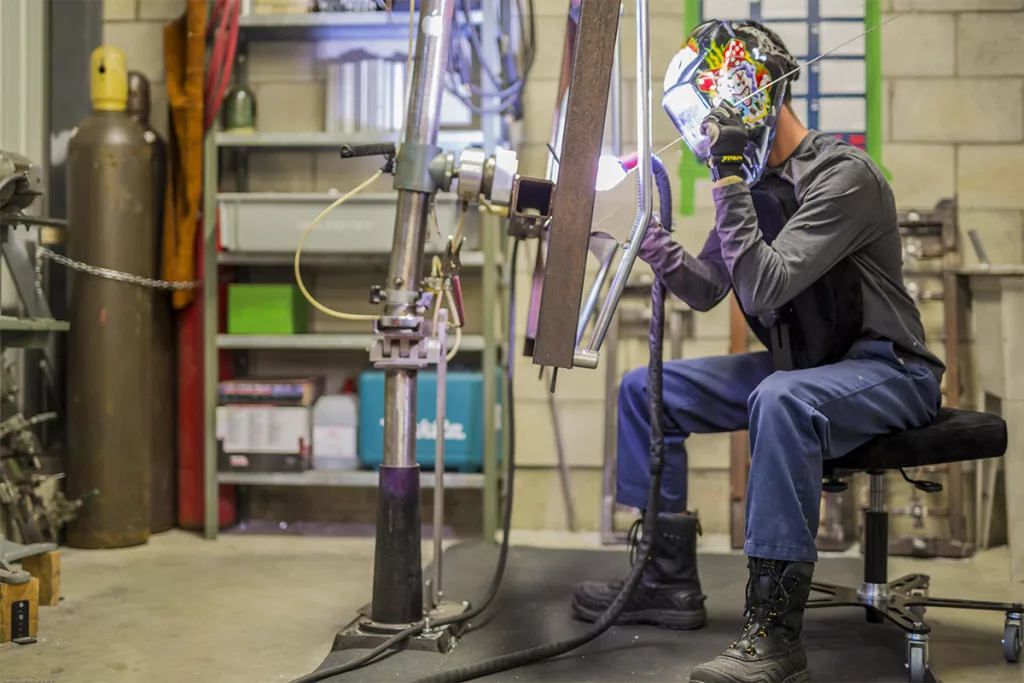
Dans le cas d’une tâche nécessitant une posture penchée en avant, au-dessus du plan de travail, comme un laborantin devant un microscope ou un soudeur, un siège avec appui sternal peut apporter un bon maintien et soulager le dos et les bras.
Sur les postes de contrôle comportant un écran et/ou un ordinateur, on remplacera les appui-fesses classique par des fauteuils assis-debout avec un maintien lombaire plus important. Il est essentiel que l’assise et le dossier puissent effectuer une rotation, afin d’éviter à l’opérateur de tourner son buste et de risquer des douleurs ou blessures.
Pour les tâches de production habituellement effectuées debout, pour lesquelles les professionnels sont souvent sujets aux piétinements et aux douleurs dorsales, utiliser un siège assis-debout permet de conserver une mobilité tout en apportant un soutien au niveau du dos.
Si le plan de travail est haut, ce qui est souvent le cas pour les tâches demandant de la précision et de la dextérité, comme la soudure, il existe des sièges ou vérins spécifiques pour réhausser l’opérateur et limiter les contraintes au niveau des épaules et du dos. Dans ce cas, pour limiter le risque de chute, on installera des roulettes freinées en charge. Un repose-pied circulaire peut aussi être installé sur le siège.
S’adapter à l’environnement et à l’organisation du travail
Sur une ligne de production avec une problématique d’encombrement (chariot, accessoires, postes avec ordinateur…), un piètement de taille réduite offrira un gain de place et plus de maniabilité.
Les roulettes des sièges peuvent également être adaptées en fonction des revêtements du sol. Par exemple, dans les salles régulièrement nettoyées à grande eau et disposant d’un large grillage au sol, on choisira des roulettes avec un large diamètre.
Si le poste aménagé est partagé, on conseillera un fauteuil bénéficiant de nombreux réglages, mais simples et rapides, avec peu de manettes, afin que chaque utilisateur puisse le régler à sa morphologie sans perdre de temps.
Des solutions simples existent même si le poste de travail (paillasse, établi) n’est pas modifiable, comme c’est souvent le cas. Par exemple, à un opérateur qui ne peut pas placer ses jambes sous la paillasse car elle comporte des tiroirs, on pourra proposer un siège avec une assise selle, qui lui permettra de se rapprocher de la paillasse, de se redresser et de limiter ainsi les tensions au niveau du dos et des épaules.
Dans certaines situations, la posture debout reste à privilégier, comme dans les milieux huileux. Dans ce cas, on pourra proposer des tapis antidérapants et anti-fatigue qui améliorent le confort dans cette posture.
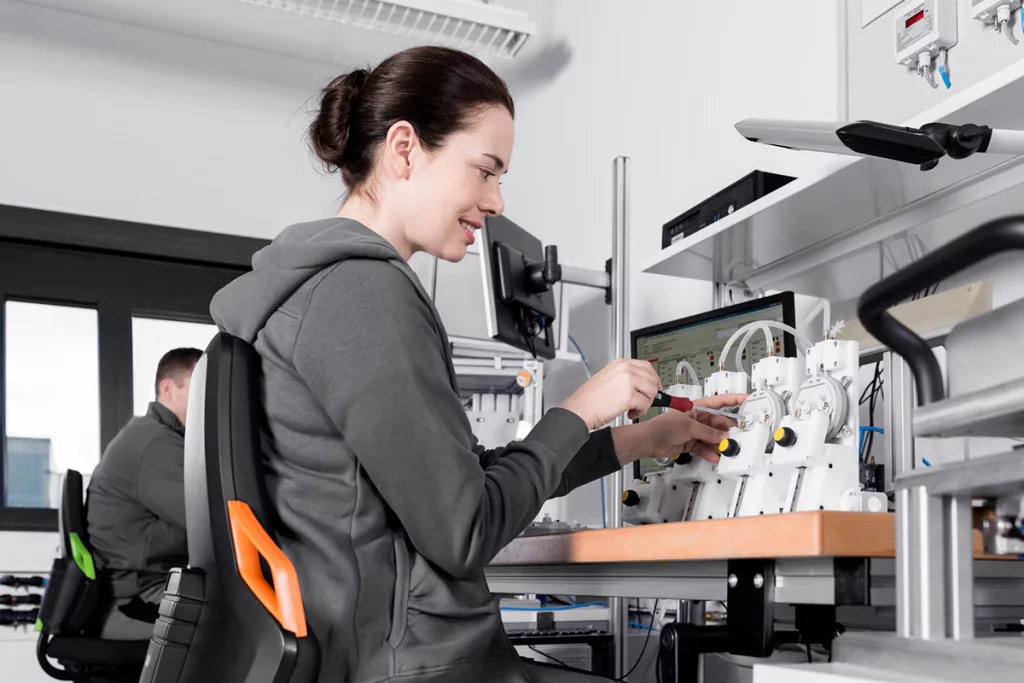
« Des solutions simples existent même si le poste de travail n’est pas modifiable. »
Supports de bras
Si les bras ne sont pas maintenus grâce aux accoudoirs du siège, on peut installer des repose-bras ou des systèmes d’assistance aux mouvements des membres supérieurs.
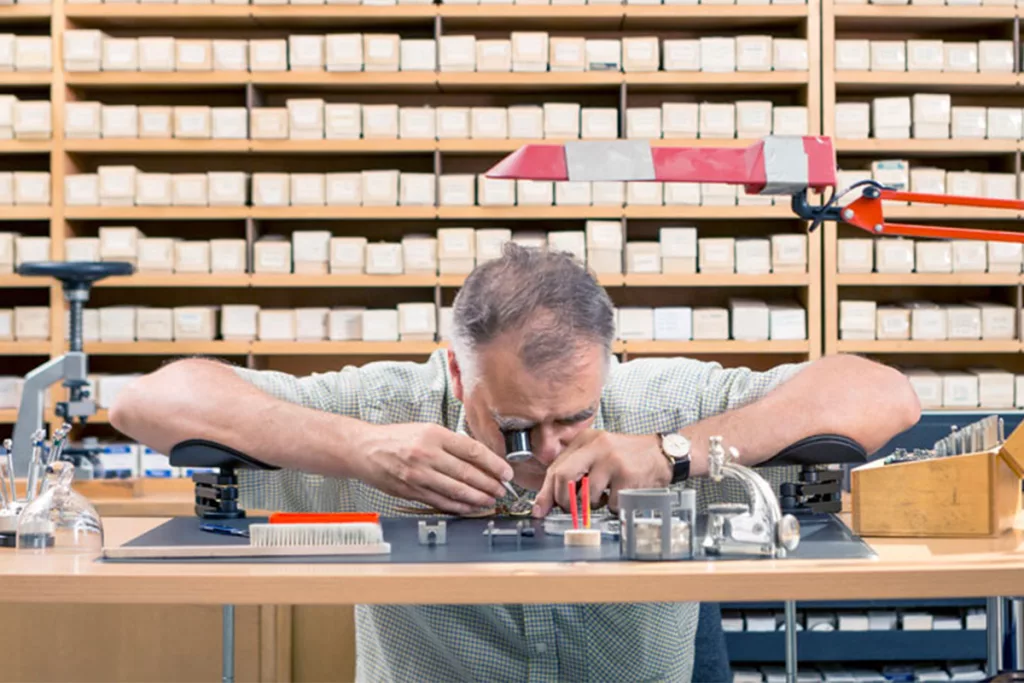
Ces derniers peuvent soulager l’opérateur dans les tâches contraignantes et précises nécessitant de conserver les bras en suspension (visser, polir, peindre, conditionner, etc.) et trouvent des applications très variées (secteur pharmaceutique, horlogerie, maintenance, couture, etc.).
Les missions de contrôle qualité nécessitent parfois un contrôle visuel très poussé. La pièce vérifiée doit être au niveau des yeux. Dans ce cas, le repose-bras soutient efficacement le bras et permet de rester précis sans ressentir de douleur aux membres supérieurs.
Solutions acoustiques
La problématique du bruit est importante dans le milieu industriel et nécessite la plupart du temps de recourir à des EPI spécifiques. En fonction du niveau de réduction demandé, il est possible de proposer des solutions acoustiques identiques à celles des bureaux.
Les matériaux
Les matériaux des équipements ergonomiques doivent être considérés en amont et selon les contraintes de l’environnement de travail.
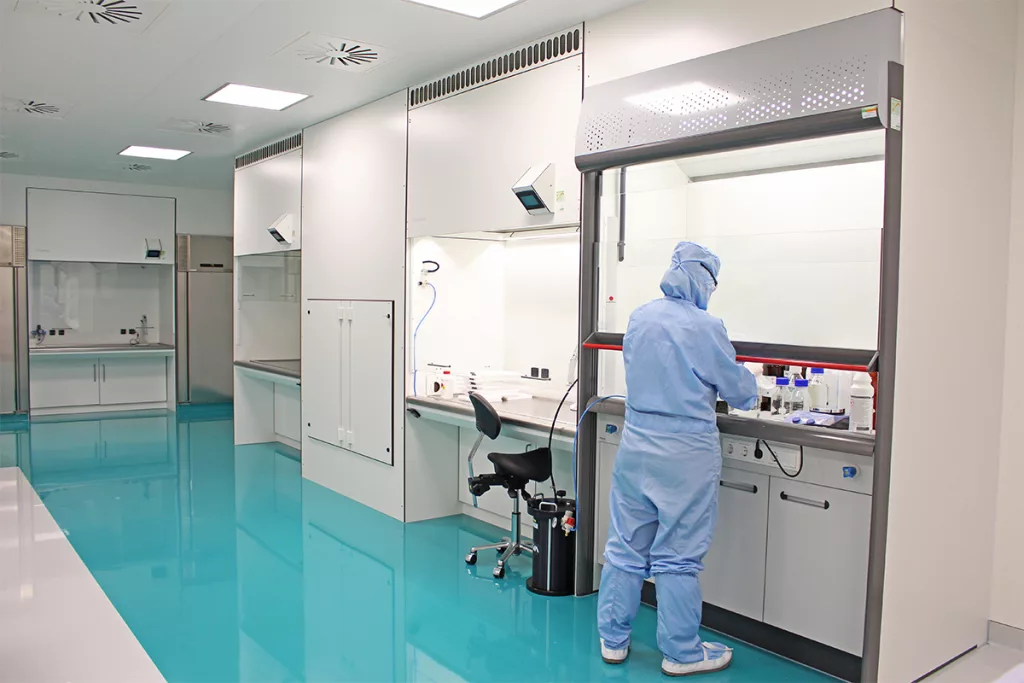
Prenons l’exemple d’un opérateur qui manipule des composants électroniques. Cette activité impose de limiter la charge électrostatique, il faudra donc proposer un matériel antistatique dans l’aménagement du poste de travail.
Si l’activité impose l’utilisation de solvants, et que le matériel installé comporte des roulettes (comme un siège par exemple), il faut penser à choisir des bandes de roulement adaptées, au risque de voir fondre les roulettes à force de glisser sur les solvants.
L’inox peut répondre aux exigences d’hygiène dans le milieu agroalimentaire : ce matériau limite le développement des bactéries et facilite le lavage à grande eau en limitant l’usure du matériel. Le revêtement PU est facilement nettoyable si le poste a un fort risque de projections et/ou salissures.
Il faut noter que dans les salles blanches ou salles propres ne sont autorisés que les fauteuils répondant à des exigences et normes spécifiques.
Au vu des conditions difficiles des milieux de production ou de confection, il est recommandé de choisir des équipements robustes avec une longue durée de vie. Cette exigence de robustesse est également présente dans le cas de postes multi-opérateurs comme en 3 x 8, 7 jours sur 7.